
We Have Become Religious in Appearance, But Have We Become Better Human Beings?
Adv. Farhan Tak
We know how to recognise a person who prays. We know how to recognise someone who fasts. We know the words of scholars, the traditions of our communities and the rules of our faith.
But can we recognise a genuinely good human being?
The man who never misses a prayer but humiliates the poor. The person who speaks about morality but cheats others. The one who asks God for forgiveness but refuses to forgive a fellow human being.
At what point did religion become something we display rather than something that transforms us?
This is not a question against religion. Many practising Muslims are people of real honesty, humility and generosity, and they are the proof of what faith can build. This is a question for those of us who claim to follow it, myself included.
Islam places enormous weight on character, justice, honesty, compassion and humility. In Surah Al-Ma'un (107:4–7), the Quran warns those who pray yet are heedless of their prayer, who show off, and who withhold even small acts of kindness. It is a sobering reminder that outward worship must never become an excuse for neglecting people.
The Prophet Muhammad ﷺ said: "The best among you are those who have the best character" (Bukhari, Muslim). Before revelation, he was known among his own people as al-Amin, the trustworthy. His character was recognised before his message was.
Yet somewhere between learning our traditions and practising them, we created a distance between belief and behaviour.
We are quick to judge how others dress, speak, live and worship. We are slower to question our own dishonesty, arrogance, jealousy and treatment of those who cannot benefit us.
Imagine a shopkeeper who is first in the mosque every dawn, yet underpays his workers and shortchanges customers when no one is watching. Which of his two lives is the real one?
The Prophet ﷺ described this danger clearly. He asked his companions who the bankrupt person is. Then he explained that the truly bankrupt person on the Day of Judgment is one who arrives with prayer, fasting and charity, but also with insults, slander and wrongs against others. His good deeds are handed over to those he wronged until nothing remains (Muslim).
Perhaps the most dangerous hypocrisy is not that of the person who openly struggles with faith. It is that of the person who uses the appearance of righteousness to hide the absence of compassion. What is the value of speaking beautifully about charity if we humiliate the one who receives it? What is the point of discussing justice if we abandon fairness whenever our own interests are at stake?
None of this means prayer, fasting, modest dress or other outward practices are unimportant. They are meaningful and beloved parts of religious life. But they are meant to accompany the building of character, not substitute for it.
We should also be careful not to assume we know anyone's relationship with God. Only God knows what lies within a heart. The purpose here is not to decide who is righteous, but to invite each of us to look inward.
So what can we actually do?
Hold ourselves to account daily. Before sleeping, ask: Whom did I wrong today? Where was I dishonest or arrogant?
Apologise and make things right. Return what is owed. Ask forgiveness from the person, not only from God.
Give quietly. Help someone without anyone knowing, and without ever making them feel small.
Be as honest in the marketplace as in the prayer line. Weigh fairly, pay on time, keep your word.
Be gentle where it costs us something. With parents, spouses, children, employees, and strangers who can offer us nothing in return.
Because character does not disappear when the prayer ends.
If our prayers do not make us humbler, our fasting more compassionate, and our faith more honest in our dealings, then we have to ask what we are missing. The real test of our religion is not only what happens inside a place of worship, but what happens when we walk out of it. Prayer ends in minutes. Character is what remains for the rest of the day.
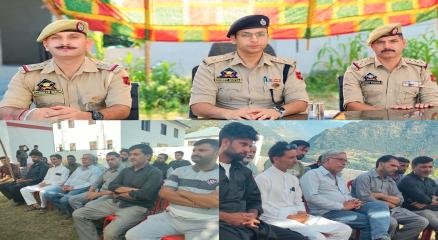
SSP KISHTWAR VISITS CHATROO, REVIEWED SECURITY MEASURES AND HOLDS PCPG MEETING

District Administration Doda Organizes Capacity-Building Workshop on PM Gati Shakti National Master Plan
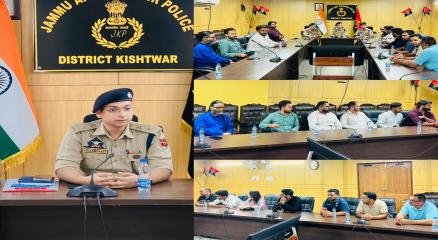
SSP KISHTWAR HOLDS INTRODUCTORY MEETING WITH MEMBERS OF MEDIA FRATERNITY &
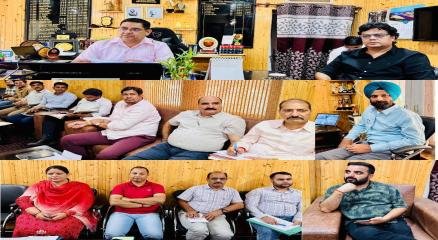
ADC reviews enforcement of NGT guidelines in Bhaderwah

PMKVY TRAINING COURSE AT PHC CHERKOOT, REGISTRATION CLOSES TOMORROW



We Have Become Religious in Appearance, But Have We Become Better Human Beings? Adv. Farhan Tak We know how to recognise a person who prays. We know how to recognise someone who fasts. We know the words of scholars, the traditions of our communities and the rules of our faith. But can we recognise a genuinely good human being? The man who never misses a prayer but humiliates the poor. The person who speaks about morality but cheats others. The one who asks God for forgiveness but refuses to forgive a fellow human being. At what point did religion become something we display rather than something that transforms us? This is not a question against religion. Many practising Muslims are people of real honesty, humility and generosity, and they are the proof of what faith can build. This is a question for those of us who claim to follow it, myself included. Islam places enormous weight on character, justice, honesty, compassion and humility. In Surah Al-Ma'un (107:4–7), the Quran warns those who pray yet are heedless of their prayer, who show off, and who withhold even small acts of kindness. It is a sobering reminder that outward worship must never become an excuse for neglecting people. The Prophet Muhammad ﷺ said: "The best among you are those who have the best character" (Bukhari, Muslim). Before revelation, he was known among his own people as al-Amin, the trustworthy. His character was recognised before his message was. Yet somewhere between learning our traditions and practising them, we created a distance between belief and behaviour. We are quick to judge how others dress, speak, live and worship. We are slower to question our own dishonesty, arrogance, jealousy and treatment of those who cannot benefit us. Imagine a shopkeeper who is first in the mosque every dawn, yet underpays his workers and shortchanges customers when no one is watching. Which of his two lives is the real one? The Prophet ﷺ described this danger clearly. He asked his companions who the bankrupt person is. Then he explained that the truly bankrupt person on the Day of Judgment is one who arrives with prayer, fasting and charity, but also with insults, slander and wrongs against others. His good deeds are handed over to those he wronged until nothing remains (Muslim). Perhaps the most dangerous hypocrisy is not that of the person who openly struggles with faith. It is that of the person who uses the appearance of righteousness to hide the absence of compassion. What is the value of speaking beautifully about charity if we humiliate the one who receives it? What is the point of discussing justice if we abandon fairness whenever our own interests are at stake? None of this means prayer, fasting, modest dress or other outward practices are unimportant. They are meaningful and beloved parts of religious life. But they are meant to accompany the building of character, not substitute for it. We should also be careful not to assume we know anyone's relationship with God. Only God knows what lies within a heart. The purpose here is not to decide who is righteous, but to invite each of us to look inward. So what can we actually do? Hold ourselves to account daily. Before sleeping, ask: Whom did I wrong today? Where was I dishonest or arrogant? Apologise and make things right. Return what is owed. Ask forgiveness from the person, not only from God. Give quietly. Help someone without anyone knowing, and without ever making them feel small. Be as honest in the marketplace as in the prayer line. Weigh fairly, pay on time, keep your word. Be gentle where it costs us something. With parents, spouses, children, employees, and strangers who can offer us nothing in return. Because character does not disappear when the prayer ends. If our prayers do not make us humbler, our fasting more compassionate, and our faith more honest in our dealings, then we have to ask what we are missing. The real test of our religion is not only what happens inside a place of worship, but what happens when we walk out of it. Prayer ends in minutes. Character is what remains for the rest of the day.